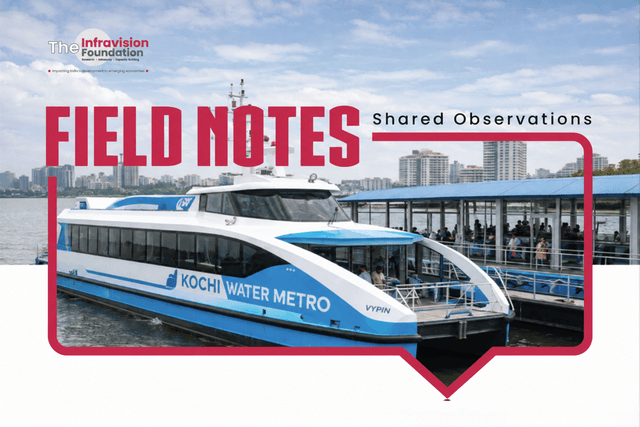
Kochi built India's first truly multimodal transit system. The next challenge isn't infrastructure—it's the interchange.
A note from The Infravision Foundation (TIF)
Yesterday, we introduced The Junction, our quarterly publication examining the wider shifts underway in India's metropolitan mobility systems.
Field Notes is its fortnightly companion. It looks more closely at what commuters encounter on the ground—the adaptations, frictions and small details that reveal how well different parts of a transport system work together.
This edition begins in Kochi, where an extensive multimodal network raises a more specific question: what happens between one mode and the next?
The insight
Kochi has built an unusually integrated public transport network around its distinctive geography—its islands, peninsulas and backwater channels. Under KMRL, metro rail, electric ferries, feeder buses and a common mobility card are being brought together as parts of a multimodal system.
Yet for many commuters, it still feels like separate journeys rather than one. The missing layer isn't another metro line or more boats. It’s seamless transfers.
Why this matters
Cities often focus on building transport infrastructure. Kochi suggests that once multiple modes exist, the bigger challenge shifts from construction to coordination.
The difference between a multimodal network and a seamless journey lies in what happens between modes.
The system at a glance
Metro
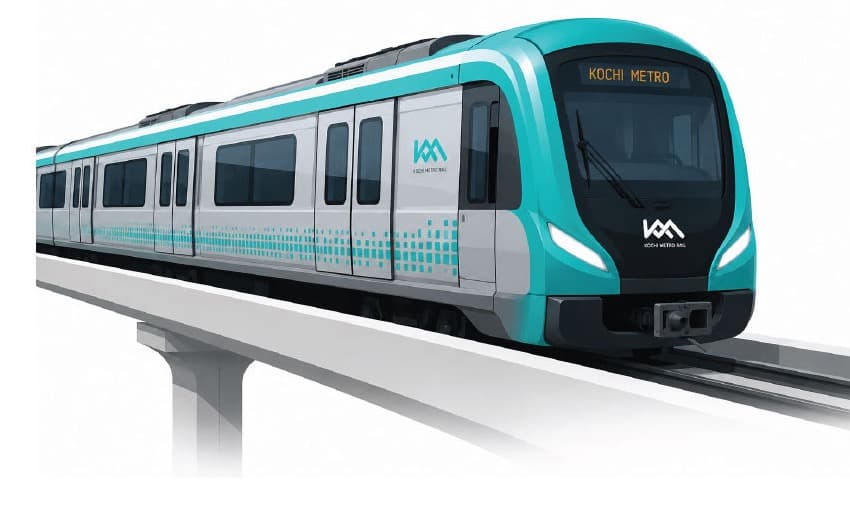
Operating since 2017
~28 km network from Aluva to Thrippunithura
36.5 million passengers in 2025 (+4.2% YoY)
Water Metro
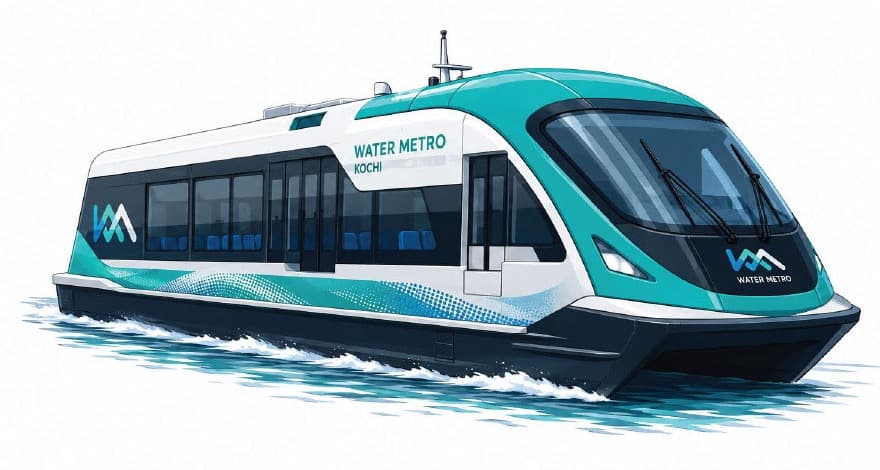
Electric ferry network launched in 2023
23 boats (planned fleet: 38) connect mainland and island towns
2.33 million passengers in 2025 (+15% YoY)
Feeder Buses
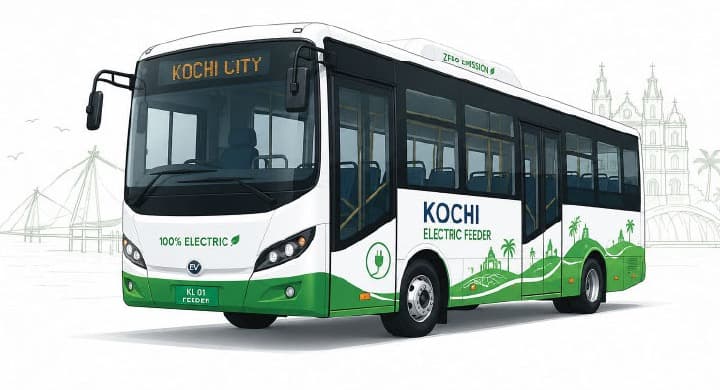
15 electric buses linking metro stations and water metro terminals
Bicycles for Last Mile
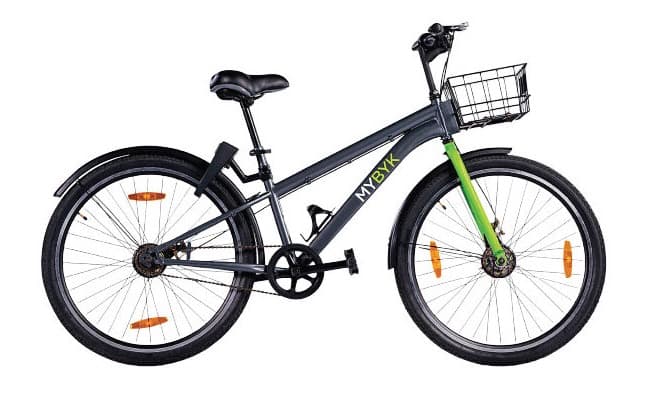
MyByk public bike-sharing app
Passengers can bring their own bicycles on the metro, with designated bike spaces in each rake
Kochi1 Card
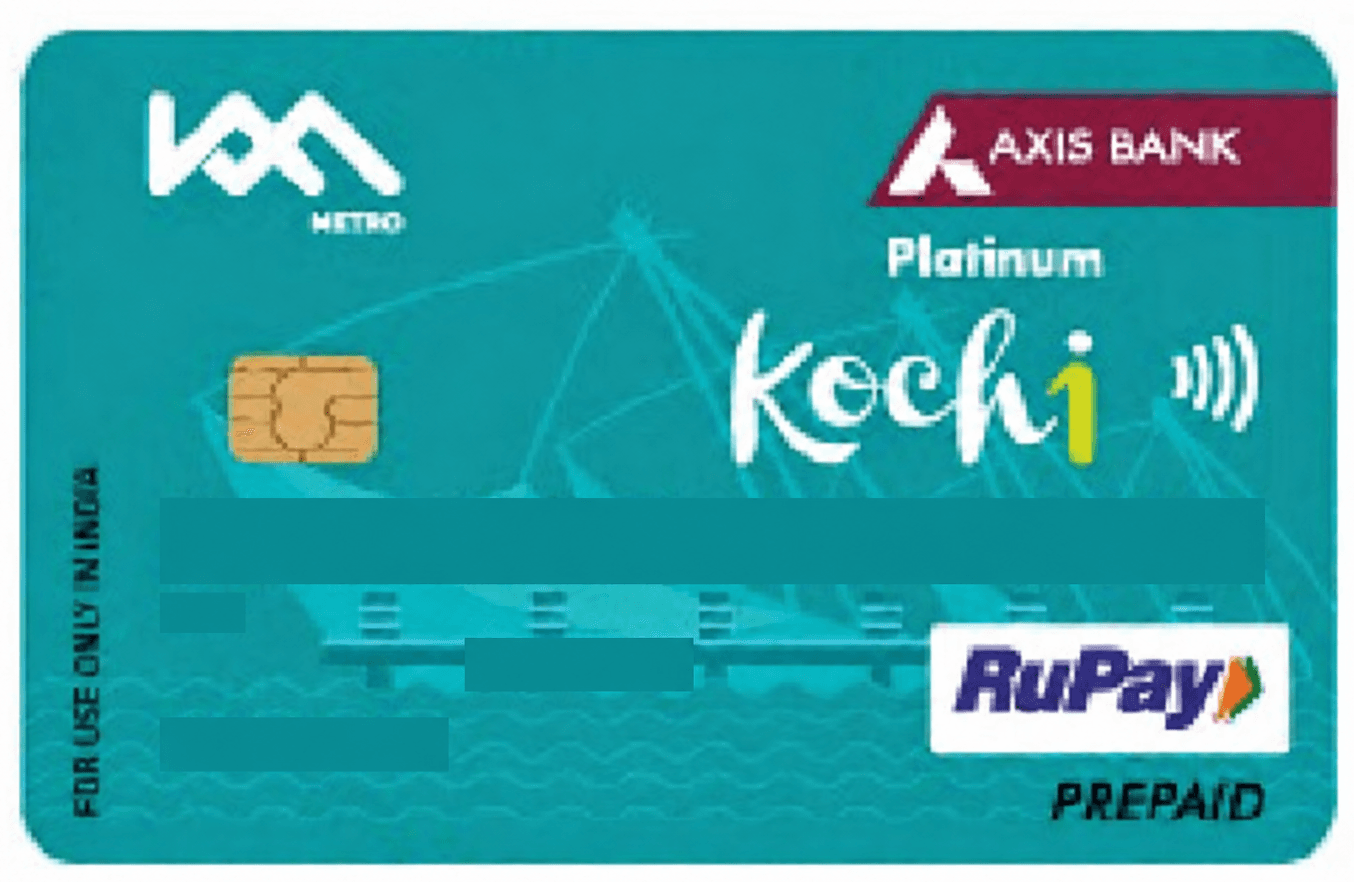
Single mobility card for metro, water metro, buses and cabs
What works
Ridership across the KMRL network reached record levels in 2025, with peaks during the Kochi-Muziris Biennale.
The model is attracting attention: feasibility studies are underway to explore water metro systems in 18 Indian cities, including Ahmedabad, Goa, Kolkata and Mumbai.
What's missing
At the interchange at Marine Drive between the MG Road metro station and the High Court water metro terminal, commuters still face:
- a 10-minute wait for feeder buses
- ~1.3 km walk without dedicated pedestrian infrastructure
- Autorickshaws that don't ply by the meter
High Court is a node for the water metro—most major lines originate or terminate here. A commuter still faces a slightly fragmented journey.
The takeaway
Kochi has taken on the hard task of building a multimodal public transport system around the particular geography of the city.
The next opportunity is subtler but equally important: designing the interchange so that moving from metro to ferry to feeder feels less like changing systems—and more like continuing the same journey.
The Infravision Foundation
A practitioner-led platform for better infrastructure conversations.
Enjoyed Field Notes and The Junction? Forward it to a friend who cares about India's cities — they can subscribe by clicking the button below
The Infravision Foundation is a non-profit platform for practitioner-led conversations around infrastructure and urban systems. It is not affiliated with any government agency or political party.